Demoon: A Font for Spine-Tingling Editorial Design
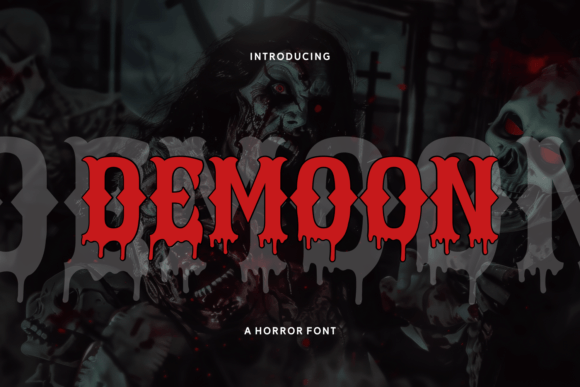
As I sat down to redesign the header of my lifestyle blog, I found myself staring at the same old font—clean, safe, and predictable. It was time for a change. That’s when I discovered Demoon, a display font that immediately caught my eye with its bold, Halloween-inspired aesthetic. With its striking shades of black and haunting orange, Demoon isn’t just another font; it’s an experience.
Demoon for Lifestyle Blog Headers and Bold Branding
The first thing I noticed about Demoon was how it transformed the visual language of my blog. As a lifestyle blogger, I often struggle to balance creativity with readability. Demoon offered a solution by combining the dramatic flair of a display font with the clarity needed for editorial design. When I used it for my blog header, the contrast between the deep black and vibrant orange created an immediate sense of mood and personality.
I paired Demoon with a clean sans-serif font for the body text, ensuring that the bold title stood out while maintaining a cohesive look. This pairing not only enhanced the visual hierarchy but also made the content more engaging. Readers were drawn in by the intrigue of the header, which set the tone for the entire post.
Demoon for Recipe Ebooks and Printable Guides
Later, I tested Demoon for a recipe ebook I was designing. The font’s Halloween theme felt oddly fitting for a collection of seasonal recipes. Its ornate style added a touch of whimsy that complemented the content without overshadowing it. I used Demoon for chapter openers and pull quotes, where its decorative qualities shone through.
One of the key considerations for printables is readability. I made sure to use Demoon sparingly, reserving it for titles and accents rather than long-form text. This approach ensured that the font remained a highlight rather than a hindrance. The result was a visually appealing ebook that felt both professional and playful.
Demoon for Wedding Invitations and Elegant Branding
When I was working on a wedding guide for a client, I knew I needed something that exuded elegance and sophistication. Demoon surprised me with its versatility. While its Halloween roots might seem incongruous, the font’s refined edges and subtle detailing allowed it to adapt to more formal settings.
I used Demoon for the cover text and section headings, creating a visual rhythm that guided the reader through the guide. The font’s ability to convey both mystery and refinement made it an excellent choice for branding materials that needed to feel both unique and trustworthy.
Demoon for Digital Magazines and Newsletter Graphics
In digital publishing, typography plays a crucial role in user engagement. I experimented with Demoon in a digital magazine layout, using it for headlines and sidebars. The font’s strong character made it ideal for drawing attention to key sections without overwhelming the reader.
I also considered how Demoon would perform across different platforms. On mobile devices, the font’s legibility was impressive, thanks to its clear stroke definition and spacing. For PDF exports, I ensured that the font styles were properly embedded to maintain consistency across all formats.
Demoon for Coaching Workbooks and Educational Content
When designing a coaching workbook, I wanted the font to reflect both professionalism and approachability. Demoon struck the perfect balance. Its decorative elements added a creative edge, while its structured form kept the content grounded.
I used Demoon for chapter titles and motivational quotes, where its visual impact helped reinforce the message. By pairing it with a readable serif font for the main text, I created a layout that was both aesthetically pleasing and functionally effective.
Demoon for Creative Font Pairing and Editorial Design
One of the most exciting aspects of Demoon is its potential for creative font pairing. As a display font, it works best when paired with a complementary typeface that enhances its character without competing with it. I’ve found that pairing Demoon with a clean sans-serif or a classic serif font creates a dynamic contrast that elevates the overall design.
For editorial layouts, I recommend testing Demoon alongside other fonts to find the right balance. Consider the context of your project—whether it’s a newsletter, a course PDF, or a printable planner—and choose pairings that support both the message and the medium.
Demoon for Long-Form Content and Visual Hierarchy
While Demoon is most effective for short bursts of text like headlines and pull quotes, it can also be used strategically in longer content. I’ve used it sparingly in article titles and section headers, where its bold presence helps guide the reader through the narrative.
When incorporating Demoon into long-form content, it’s important to maintain a clear visual hierarchy. Use the font to emphasize key points without overusing it. This ensures that the design remains balanced and the content remains accessible.
Demoon for Brand Identity and Publication Consistency
Consistency is key in brand identity, and Demoon offers a versatile tool for building a cohesive visual language. Whether you’re designing a blog, an ebook, or a printable guide, the font’s distinctive style can help reinforce your brand’s personality.
Before finalizing any design, I always check the included styles, alternates, ligatures, weights, and multilingual support to ensure compatibility with different platforms and audiences. This attention to detail helps create a polished, professional finish that resonates with readers.